
As a beginner stepping into the world of ballet, your first pair of ballet shoes is the foundation for learning pliés, pointing toes, and mastering basic positions. Among countless options, two materials stand out for new dancers: leather and canvas. Both have loyal fans, but which aligns with your practice habits, budget, and feet’s needs?
At DANCEYOU, we’ve spent decades crafting ballet shoes for all levels—from toddlers in first classes to adult beginners rediscovering dance. We’ve tested every iteration of leather and canvas shoes to understand their real studio performance, from sweaty practices to first recitals. In this guide, we’ll break down their pros and cons, highlight our top picks, and help you choose the pair that supports your ballet journey.
Why Material Matters for Beginner Ballet Shoes
Ballet relies on precision, alignment, and foot awareness. Your shoes need to:
- Support arches and ankles for proper form.
- Offer the right grip (via suede/microfiber soles) to prevent slips while allowing turns.
- Stay comfortable during long practices—no distracting blisters.
- Grow with you as you progress from basic steps to complex movements.
Leather and canvas excel in different areas, so your choice depends on how often you dance, foot type (sweaty feet, narrow heels, wide toes), and budget. Let’s dive in.
Leather Ballet Shoes: Durable Support for Serious Beginners
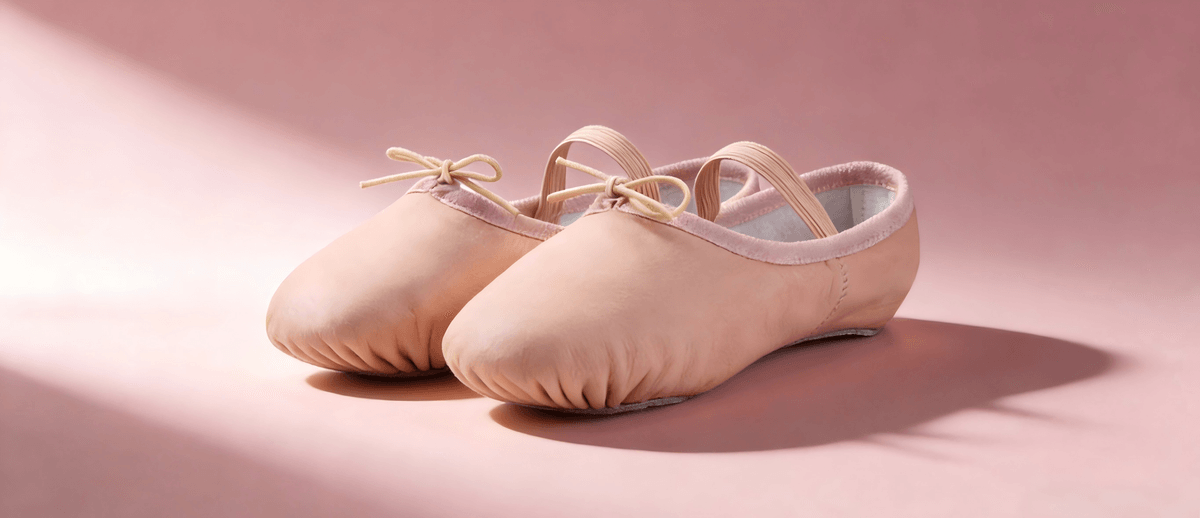
Leather has long been a ballet staple, balancing durability, support, and flexibility—ideal for beginners committed to regular practice. Our DANCEYOU leather styles like the Leather Full Sole and Leather Split Sole are built to withstand frequent use while reinforcing proper technique.
Pros of Leather Ballet Shoes
- Durability: A well-cared-for pair lasts 1–2 years with 2–3 weekly classes, outlasting canvas. Great for beginners serious about sticking with ballet.
- Structured Support: Sturdy leather uppers support arches and ankles without stiffness, critical for learning alignment in first/second position. Our Premium Leather Full Sole keeps you grounded while letting you point fully.
- Custom Fit: Leather softens and stretches to conform to your foot shape, reducing blisters—perfect for narrow heels or wide toes.
- Timeless Aesthetic & Versatility: Leather ballet shoes have a polished, classic look that never goes out of style—perfect for both regular classes and recitals. Our leather styles come in staple colors: soft ballet pink and sleek black. Unlike canvas, which can look worn or faded quickly, leather retains its refined appearance with minimal care, making it a great choice if you want shoes that transition seamlessly from practice to performance.
- Resistance to Moisture Damage: While leather isn’t waterproof, it’s more resistant to moisture damage than canvas. Unlike canvas, which soaks up sweat and can develop mold or odors if not dried properly, leather repels surface moisture and dries quickly when aired out. This makes it a better choice for dancers who practice in humid studios or sweat moderately—you won’t have to worry about your shoes warping or developing a persistent smell. With basic care (wiping down with a damp cloth and air-drying), leather shoes maintain their shape and freshness for years.
Cons of Leather Ballet Shoes
- Higher Price Point: Most leather is more expensive than canvas. For beginners on a tight budget or parents buying shoes for kids who grow quickly, this can be a deterrent. However, consider it an investment—leather shoes often last 2–3 times longer than canvas, so you’ll save money in the long run.
- Break-In Period: New leather shoes can feel stiff at first. You’ll need to wear them for short practice sessions (15–20 minutes) a few times before they’re fully broken in. To speed up the process, some dancers wear thick socks or use leather conditioner to soften the material.
- Requires Care: Leather needs a bit of maintenance to stay in top shape. You’ll need to wipe off scuffs, avoid getting them soaking wet (they can warp or crack), and store them in a cool, dry place. For busy beginners, this extra step might feel like a hassle.
- Less Breathable: While leather is porous (more so than synthetic materials like PU), it’s not as breathable as canvas. If you have extremely sweaty feet, you might notice moisture buildup during long classes. Pairing leather shoes with moisture-wicking ballet socks can help mitigate this.
DANCEYOU Top Leather Picks for Beginners
- Leather Full Sole Ballet Shoes: Our best-selling full sole style, perfect for absolute beginners. The full sole provides extra stability for learning basic steps, while the soft leather upper molds to your foot. Available in pink and black, with sizes ranging from 10CH (toddler) to 9AD (adult).
- Leather Split Sole Ballet Shoes: Ideal for beginners who are ready to transition to more flexible shoes. The split sole allows for better arch movement and pointed toes, while the leather upper keeps feet supported. Sizes go up to 10AD, making it great for older kids and adults.
- Leather Half Sole Ballet Shoes: A versatile option for dancers who want more freedom in their toes. The half sole design exposes the ball of the foot, making it easier to feel the floor—perfect for practicing turns and pirouettes. Available in pink and tan, with sizes from XXS to XL.
Canvas Ballet Shoes: The Affordable, Breathable Option for Casual Learners
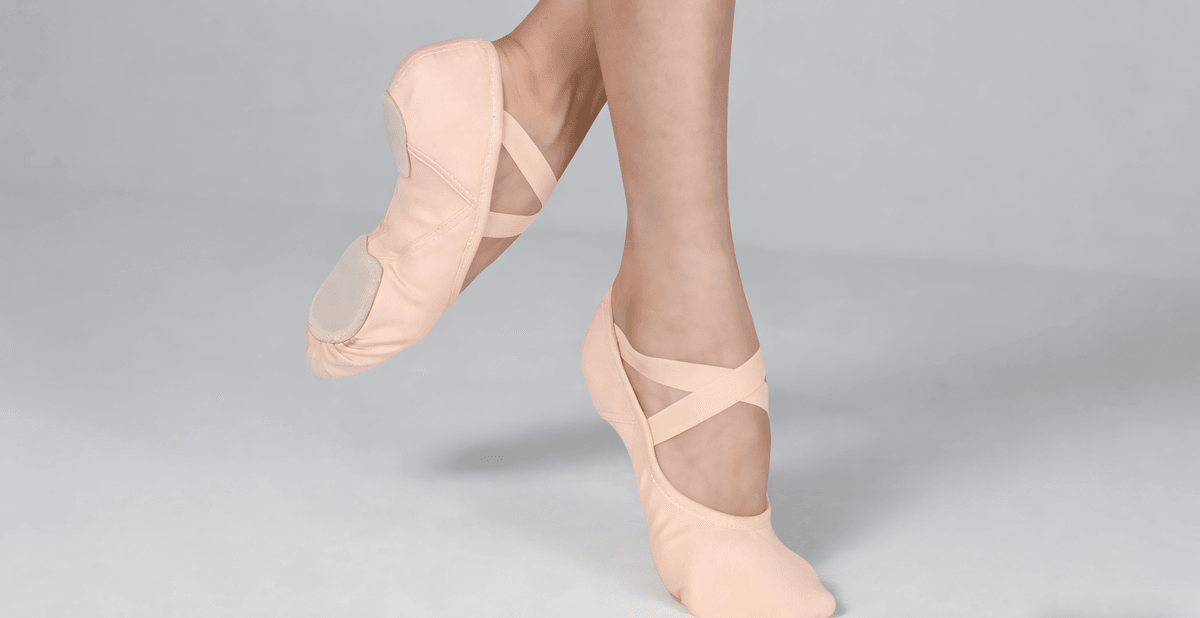
Canvas is a lightweight, breathable fabric that’s been a favorite for beginner ballet shoes for decades. It’s affordable, flexible, and easy to care for, making it ideal for new dancers who are just testing the waters or kids who grow out of shoes quickly. Our DANCEYOU canvas ballet shoes, like the Canvas Ballet Shoes and Stretch Canvas Ballet Shoes, are designed for comfort and accessibility.
Pros of Canvas Ballet Shoes
- Budget-Friendly: Canvas is one of the most affordable materials for ballet shoes. This makes it perfect for beginners who aren’t sure if they’ll stick with ballet long-term or parents buying shoes for growing children. You can pick up a pair of our Lace Free Basic Canvas Ballet Shoes for a fraction of the cost of leather.
- Maximum Breathability: Canvas is porous, so it lets air circulate freely around your feet. This reduces sweat buildup and odors—critical for beginners who might be nervous (and sweaty) during their first classes. If you have naturally sweaty feet, canvas is the clear winner here.
- No Break-In Time: Canvas shoes are flexible right out of the box. You can wear them to your first class without worrying about stiffness or blisters. This is a huge plus for kids or beginners who want instant comfort.
- Easy to Clean: Canvas is machine washable (or can be hand-washed with mild soap). If your shoes get dirty from studio floors or grass (for outdoor practice), you can simply toss them in the wash and they’ll come out looking fresh. No need for special cleaners or conditioners.
- Lightweight: Canvas is lighter than leather, which makes it feel less bulky on your feet. This is great for beginners who are still getting used to moving in ballet shoes—you’ll feel more agile and less weighed down.
- Customizable: Canvas takes paint, markers, and ribbons well. Many beginners love decorating their canvas shoes to reflect their personal style—perfect for kids who want to stand out in class or adults who want a unique touch.
Cons of Canvas Ballet Shoes
- Less Durable: Canvas wears out faster than leather. The material can stretch out, tear, or develop holes after 6–12 months of regular use. For beginners who dance 2–3 times a week, this means replacing shoes more often—so the initial savings might be offset by frequent replacements.
- Less Support: Canvas is very flexible, which means it offers less structure than leather. This can be a downside for beginners who need extra support for their arches or ankles, especially if they’re learning on hard studio floors. Full sole canvas shoes offer more support than split sole, but still less than leather.
- Stretches Out Over Time: Canvas stretches with wear, which means the fit can become loose after a few months. This can affect your stability—loose shoes can cause your feet to slide around, making it harder to maintain proper alignment.
- Absorbs Moisture: While canvas is breathable, it also absorbs sweat and moisture. If you don’t let them dry properly between classes, they can develop odors or even mold. Hanging them up to air out after each use is a must.
DANCEYOU Top Canvas Picks for Beginners
- Canvas Ballet Shoes: Our classic full sole canvas style, perfect for absolute beginners. The microfiber sole provides good grip, while the lightweight canvas upper keeps feet cool. Available in ballet pink and camel, with sizes from 12CH to 10AD.
- Stretch Canvas Ballet Shoes: Designed for dancers who want extra flexibility. The stretch canvas upper adapts to your foot’s movements, making pointed toes feel effortless. Available in pink and light tan, with sizes up to 11.5AD (adult).
- Lace Free Basic Canvas Ballet Shoes: A convenient slip-on style for kids and beginners who struggle with laces. The suede sole offers great traction, and the nude, camel, and pale pink colors match any leotard. Sizes range from 11CH to 10AD.
How to Choose Between Leather and Canvas: A Beginner’s Checklist
Still on the fence? Ask yourself these questions to narrow down your choice:
- How often do you dance? If you’re taking 2–3 classes per week or more, leather’s durability makes it worth the investment. If you’re dancing casually (1 class per week or less), canvas is more cost-effective.
- What’s your foot type? If you have sweaty feet, canvas’s breathability is a must. If you need extra arch support or have narrow heels, leather’s structured fit will serve you better.
- Are you on a budget? Canvas is the more affordable option upfront. Leather costs more but lasts longer—great if you’re committed to ballet.
- Do you mind a break-in period? If you want instant comfort, go with canvas. If you’re willing to put in a little time to break in shoes for a custom fit, leather is better.
- Are you buying for a child? Canvas is perfect for kids who grow quickly—you won’t feel guilty replacing them when their feet outgrow the shoes. Leather is better for older kids who are serious about ballet and won’t outgrow shoes as fast.
Final Tips for Buying Beginner Ballet Shoes
No matter which material you choose, here are a few pro tips to ensure you get the right fit:
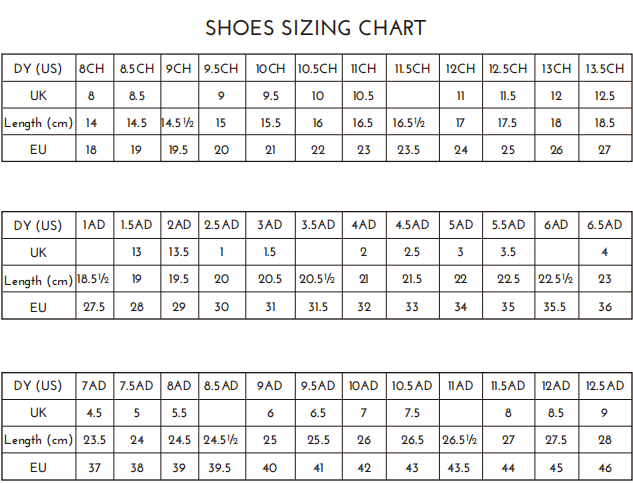
- Measure Your Feet: Use a foot measuring tool to get your length and width. Refer to DANCEYOU’s size chart to find your perfect size. For ballet shoes, you want a snug fit—your toes should touch the end of the shoe but not be cramped.
- Try Them On With Ballet Socks: If you plan to wear socks with your shoes (many beginners do), try them on with the same socks you’ll use for class. This ensures an accurate fit.
- Test Flexibility: Bend the shoe at the arch— it should flex easily but not collapse. For full sole shoes, the sole should be stiff enough to support your foot but flexible enough to point your toes.
- Check the Sole: Suede soles are standard for ballet shoes (both leather and canvas). Make sure the suede is thick enough to provide grip but not so thick that it restricts movement.
Wrapping Up: Leather vs. Canvas for Ballet Newbies
At the end of the day, there’s no “best” material—only the one that’s best for you. Leather is the way to go if you’re serious about ballet, need support, and want shoes that will last. Canvas is perfect if you’re on a budget, dance casually, or have sweaty feet.
Whichever you choose, DANCEYOU’s ballet shoes are designed with beginners in mind—combining quality materials, thoughtful design, and affordable prices. Our leather shoes offer the durability and support to help you build technique, while our canvas styles provide the comfort and accessibility to make your first ballet classes enjoyable.
Ready to take the next step? Explore our full collection of leather and canvas ballet shoes to find your perfect pair. And remember—no matter which material you pick, the most important thing is to wear shoes that make you feel confident and comfortable as you embark on your ballet journey.