
Not all fishnet dance tights are created equal. The two most common variants—soft mesh and hard mesh—are engineered for distinctly different scenarios, each offering unique trade-offs between comfort, durability, and style.
Choosing between them isn’t about picking the “better” pair, but rather the right pair for your specific dance style, activity level, and setting. Whether you’re in daily studio practice or under the bright stage lights, understanding the pros and cons of soft versus hard mesh is key to optimizing your performance and comfort.
In this guide, we’ll break down the core differences between soft and hard mesh fishnet tights, their ideal use cases for ballet, jazz, and stage performances, and how to make the perfect selection to suit your needs.
Soft Mesh Fishnet Dance Tights: Pros & Cons
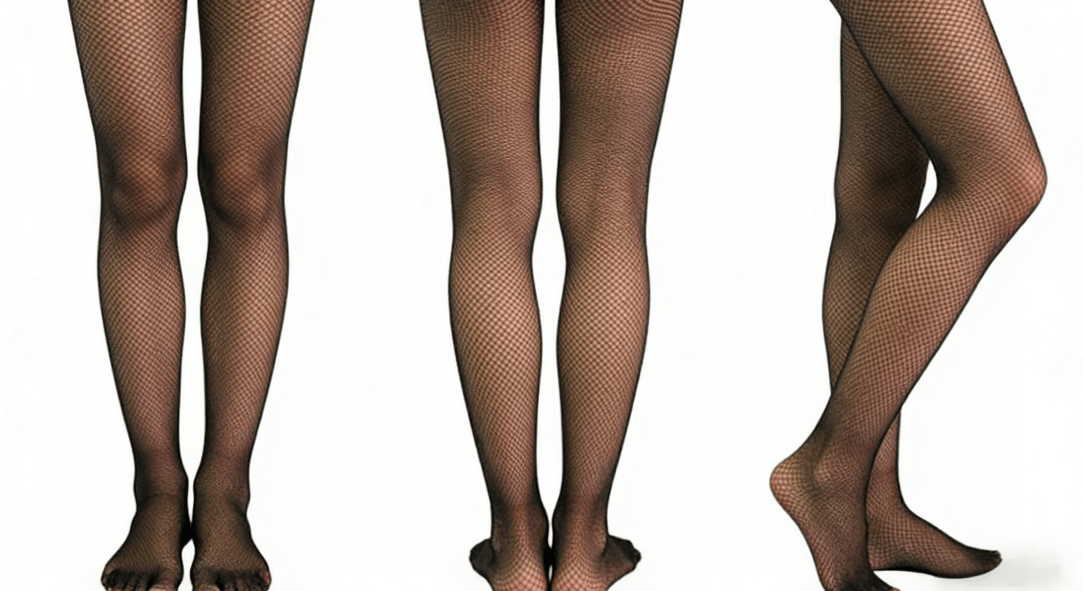
Soft mesh fishnet dance tights are the go-to for dancers who prioritize comfort and flexibility above all, making them a studio favorite for ballet, jazz, and casual dance training. Their design caters to the extended, repetitive movements of daily practice, with a subtle aesthetic that keeps the focus on technique.
Key Pros:
- Lightweight, breathable comfort for long studio days: The loose weave allows for maximum airflow, preventing overheating during hot ballet classes or intense jazz warm-ups. Their thin, sheer construction feels barely there on the skin, eliminating the bulk that can cause irritation or distraction during extended practice.
- Delicate, natural aesthetic for understated studio style: Soft mesh has a subtle, sheer finish that creates a polished, natural leg profile—ideal for ballet classes where the focus is on technique, not bold styling. They pair seamlessly with leotards, dance tops, and practice wear, adding a touch of refinement without overwhelming your studio look.
- Versatile layering for variable studio temperatures: Their lightweight design makes soft mesh tights easy to layer under dance pants, leg warmers, or other studio gear for cold days, or wear alone for warm sessions. They don’t add bulk, so layering doesn’t compromise mobility for ballet or jazz practice.
Key Cons:
- Less durability for intense movement or stage useThe fine, loose weave is prone to snags, tears, and runs—especially from stage props, rough dance floors, or the sharp movements of jazz and stage performances. A single snag can ruin a pair, making them a risky choice for high-stakes shows or outdoor dance events.
- Fragile mesh grid that loses shape over timeWith repeated wear and washing, soft mesh’s loose weave can stretch out, losing its defined grid pattern and becoming baggy around the knees, calves, or hips. This not only impacts the aesthetic but can also cause the tights to slide down during dance movements, requiring constant adjustment.
- Sheer finish that lacks stage presenceSoft mesh’s delicate sheer look that works for the studio falls flat on stage, where bright lights can wash out its subtle texture. For ballet recitals, jazz performances, or live stage shows that demand bold, eye-catching style, soft mesh tights fail to stand out to audiences.
- Limited slip resistance for floor workMost soft mesh fishnet tights lack reinforced, non-slip soles—a key feature for jazz floor work, ballet center practice, or stage performances that require stable footing. Dancers may experience slipping on smooth studio or stage floors, compromising technique and safety.
: Pros & Cons
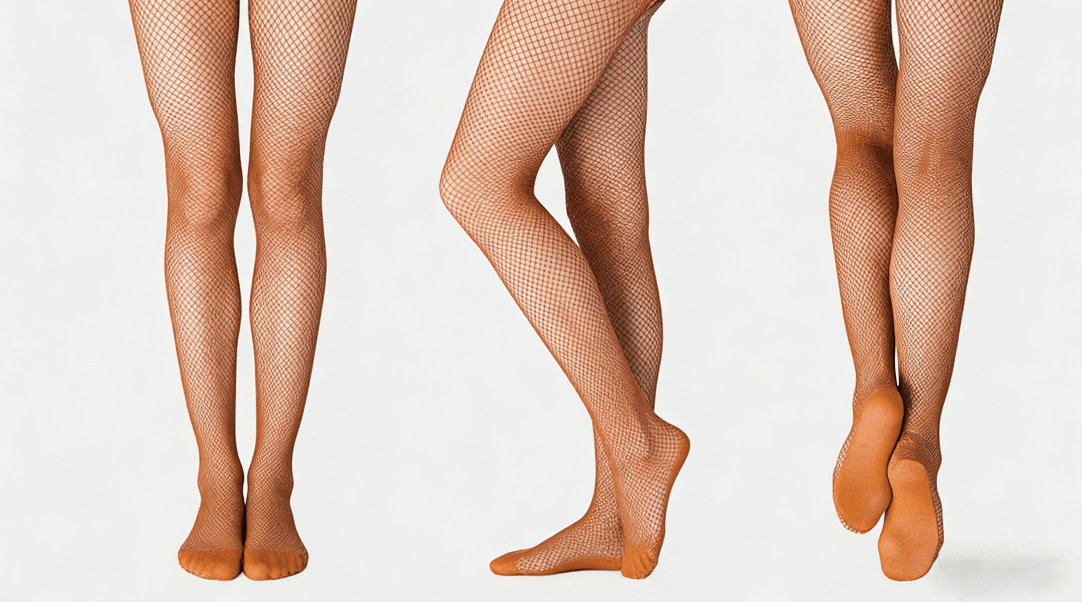
Hard mesh fishnet dance tights are the professional’s choice for durability and stage-ready style, built to withstand the rigors of live performances, intense jazz movement, and high-wear use. Their sturdy construction and bold aesthetic make them ideal for ballet recitals, jazz shows, and any stage setting where style and longevity matter.
Key Pros:
- Industrial-grade durability for intense dance and stage use: The tight weave and thick yarns are highly resistant to snags, tears, and runs—even from stage equipment, rough dance floors, or the sharp, explosive movements of jazz dance. They hold up to repeated stage performances, ballet recitals, and heavy wear, making them a cost-effective long-term choice for professional dancers.
- Structured mesh that retains its shape: Hard mesh’s rigid weave maintains its defined grid pattern and fit, even after dozens of wears and washes. It doesn’t stretch out or bag around the legs, so dancers don’t have to adjust their tights mid-performance—a critical feature for ballet recitals or jazz shows where every second counts.
- Bold, stage-ready aesthetic that pops under lights: The compact, defined grid creates a bold, eye-catching look that stands out under stage lights—perfect for ballet recitals that call for polished, dramatic style, jazz performances that demand edge, and live stage shows that need visual impact. They add depth and texture to dance costumes, elevating your on-stage presence.
- Enhanced stretch & support with higher spandex content: The 20% spandex blend delivers superior 4-way stretch for jumps, turns, and deep stretches, while the structured weave offers gentle muscle support for long rehearsals and performances. This balance of flexibility and stability makes it ideal for the demands of professional dance.
- Professional features for dance-specific functionality: DANCEYOU’s Professional Fishnet Tights include non-slip cotton padded soles that provide stable footing for ballet pointe work, jazz floor work, and stage movements. The padded soles also add cushioning, reducing foot fatigue during long performances or rehearsals.
- Long-lasting wear that offers great value: While hard mesh tights may have a slightly higher upfront cost, their durability means they don’t need to be replaced as often as soft mesh variants. For professional dancers or students with frequent performances, this translates to less waste and more value over time.
Key Cons:
- Can feel a bit stiff during long studio practice sessions: The tighter weave and thicker yarns have a more structured feel than soft mesh, which can feel restrictive during hours of extended ballet or jazz practice. While still flexible enough for dance movements, they lack the “barely there” comfort of soft mesh for all-day studio use.
- Less breathability for hot studio sessions: Hard mesh’s compact weave limits airflow compared to soft mesh, which can cause overheating during intense ballet classes or jazz warm-ups in hot studios. Dancers may find them uncomfortable for long, sweat-heavy practice sessions, even if they’re perfect for short rehearsals or performances.
- Bolder aesthetic that’s too much for casual studio style: The defined, bold grid of hard mesh tights can feel over-the-top for casual ballet or jazz classes where the focus is on technique, not stage styling. They pair best with performance costumes, not everyday studio wear, making them less versatile for low-key training days.
- Slightly heavier construction that adds minimal bulk: Hard mesh’s thicker yarns add a small amount of bulk compared to soft mesh, which can be noticeable when layering under tight dance gear like leotards or dance pants. For dancers who prefer ultra-sleek studio wear, this minimal bulk may be a minor drawback.
Soft Mesh vs. Hard Mesh:Which to Choose for Ballet, Jazz & Stage?
The ultimate choice between soft and hard mesh fishnet dance tights comes down to your activity: studio practice or stage performance —and the specific demands of your dance style (ballet vs. jazz). Below is a quick, easy guide to matching each mesh style to your dance needs, so you never pick the wrong pair again:
For Ballet:
~ Studio practice: Soft mesh fishnet tights – prioritize flexibility for pliés, tendus, and center work, with a subtle aesthetic that keeps the focus on technique.
~ Recitals/stage: Hard mesh fishnet tights – deliver durability for long recital days, a bold look under stage lights, and non-slip soles for stable pointe and floor work.
For Jazz:
~ Studio practice/warm-ups: Soft mesh fishnet tights – offer breathability and flexibility for quick steps, leaps, and casual floor work, without restriction.
~ Performances/live shows: Hard mesh fishnet tights – withstand jazz’s explosive, sharp movements, resist snags from stage props, and add an edgy, stage-ready look that complements jazz costumes.
For General Stage Use (Any Dance Style):
Hard mesh fishnet tights are always the better choice—their durability, shape retention, and stage-ready aesthetic make them the gold standard for live performances, recitals, and shows. Soft mesh tights are best reserved for backstage rehearsals or warm-ups, not the main stage.

Pro Tips for Caring for Your Fishnet Dance Tights (Soft & Hard Mesh)
To extend the life of your soft or hard mesh fishnet dance tights—follow these dancewear care tips, tailored to their unique construction:
1. Hand wash only – Machine washing (even on delicate) can snag or stretch mesh weaves; use cold water and mild, detergent-free soap to preserve elasticity and durability.
2. Air dry flat – Never put fishnet tights in the dryer (heat breaks down spandex); lay them flat on a towel to dry to avoid stretching out the weave.
3. Avoid rough surfaces – For soft mesh, steer clear of sharp studio floors, stage props, or jewelry that can cause snags; for hard mesh, still avoid extreme abrasion to maintain the grid pattern.
4. Store carefully – Fold tights gently and store them in a soft dance bag pocket, away from zippers, shoes, or other sharp items that can damage the mesh.
5. Reinforce small snags – For soft mesh, use a clear nail polish to seal small runs and prevent them from spreading (not recommended for hard mesh, as it can stiffen the weave).
Ultimately, soft and hard mesh fishnet tights are complementary essentials, not rivals. Soft mesh is ideal for studio practice, offering comfort and flexibility for ballet and jazz training. Hard mesh stands out on stage, with durable, bold styling perfect for recitals and live performances.
Discover our wide range of premium dance tights to complete your wardrobe.